Lost in the dark: why we still don't understand parasitoid decline and extinction
DOI:
https://doi.org/10.66264/je8i4mviKeywords:
dark extinction, dark taxa, gall midges, Germany, insect decline, shadow diversityAbstract
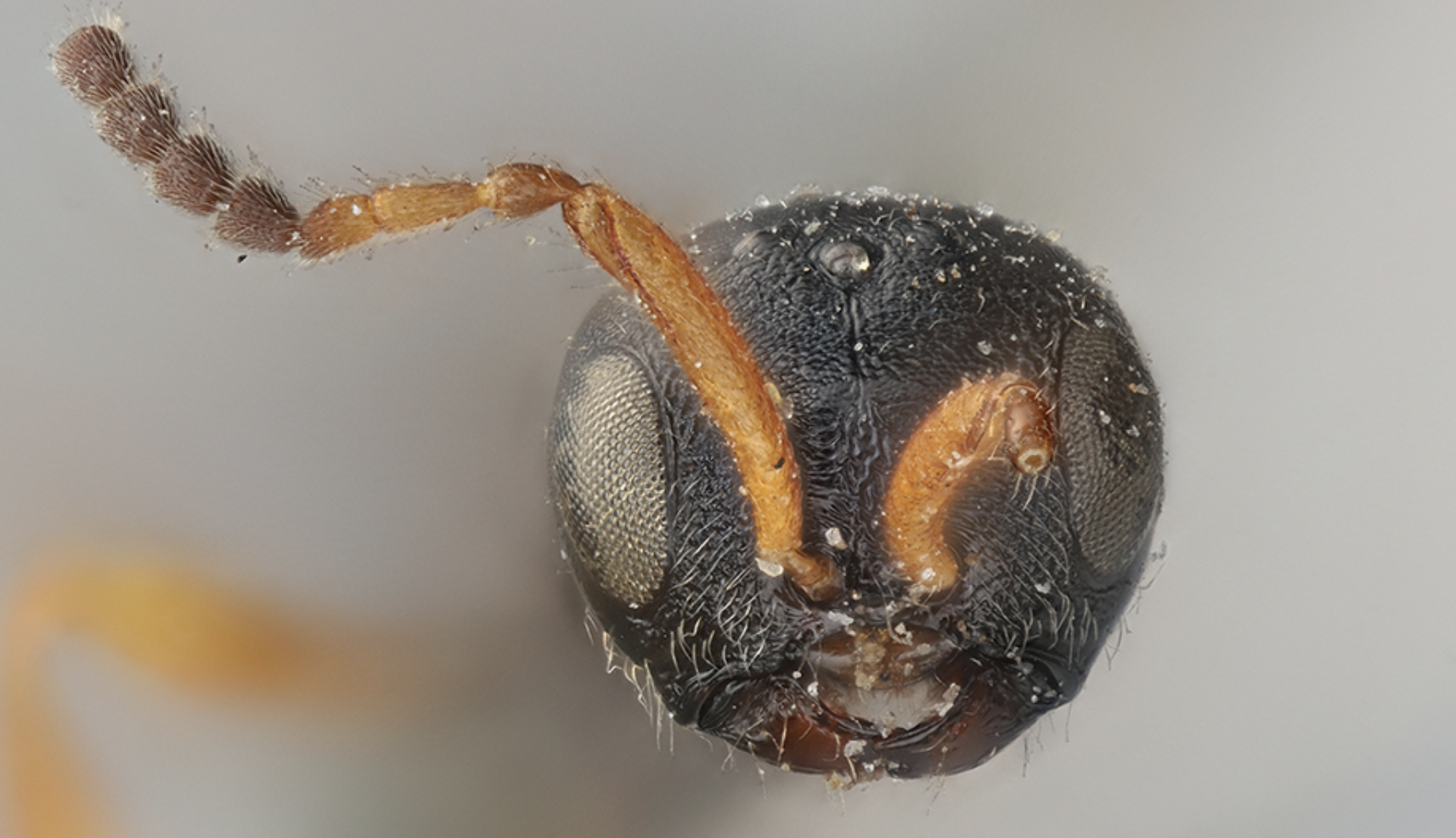
Insect decline is a matter of serious concern to global biodiversity, yet most research is focused on a few well-studied groups. A significant portion of flying insects consists of the understudied parasitoid wasps, which are extremely high in species diversity and provide crucial ecosystem services, most notably regulation of host insect populations. For reasons that include small body size and scant diagnostic resources, these wasps are difficult to study at even the most basic level and are often referred to as “dark taxa.” In addition to the taxonomic impediment, the lack of accurate and comprehensive knowledge of host-parasitoid associations, the “ecological impediment,” is a critical barrier to monitoring parasitoid decline or extinction. In Germany, where flying insect biomass has decreased by more than 75% since the 1980s, the apparent disappearance of the giant platygastrid wasp, Isocybus grandis, exemplifies the manifold challenges of parasitoid conservation. The complexities of assessing the status of this species are aired as a case study. The taxonomic impediment, the ecological impediment, and their interrelationships are discussed in the context of lost species and dark extinctions.
Downloads
Published
How to Cite
Issue
Section
License
Copyright (c) 2026 Jessica Awad, Cristina Vasilita, Amelie Höcherl, Lars Krogmann

This work is licensed under a Creative Commons Attribution 4.0 International License.
All articles in the Journal of Lost Species are published under the Creative Commons Attribution 4.0 International License (CC BY 4.0), which permits unrestricted use, distribution, and reproduction in any medium, provided the original authors and source are credited. Authors retain copyright and grant the journal the right of first publication under this license.